Mistakes choosing a screw pile contractor tend to surface long after the invoice is paid, once the deck has settled unevenly or the permit inspector flags missing documentation. Screw piles have a reputation for being fast and low-risk to install, and in the hands of a competent, properly coordinated team, they are. But that reputation also attracts contractors who cut corners on the steps that actually protect the homeowner. This article covers the most common mistakes we see Calgary homeowners make when hiring for a screw pile project, and how to avoid them.
If you haven’t read them yet, our guides on how screw pile foundations work and why they need engineering design cover the background this article builds on.
Mistake 1: Hiring an Installer Without an Engineered Design
This is the single most common and most costly mistake. Many installers are happy to drive piles based on a verbal description of the project, with no engineering drawings specifying pile count, spacing, size, or connection details. The piles may hit a torque number that seems fine, but “seems fine” isn’t the same as “correctly sized for your structure’s actual loads.” Without a stamped design, there’s no way to confirm the foundation was engineered for your specific project rather than installed to a generic assumption.
Mistake 2: Assuming a Permit Isn’t Needed
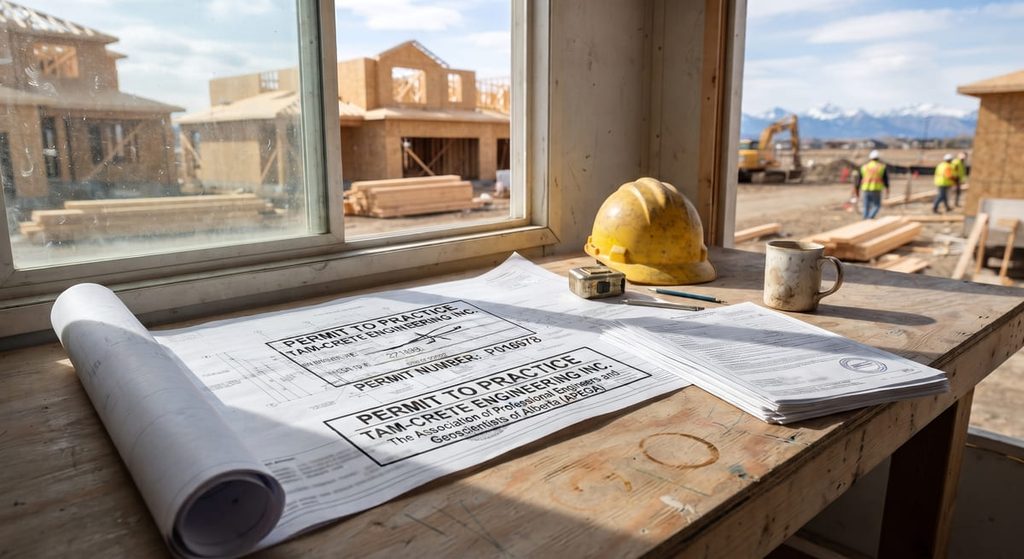
Homeowners sometimes assume that because screw piles don’t involve excavation or concrete, they fall outside permit requirements. For anything beyond a small, standalone deck, that’s usually incorrect. Additions, garages, and structures connected to your home typically require a building permit, which in turn requires stamped structural drawings., which in turn requires stamped structural drawings. Skipping this step can lead to stop-work orders, complications at resale, or problems with insurance claims down the road.
Mistake 3: Not Verifying Torque and Depth Records
A reputable installer documents the torque readings and final depth for every single pile, not just a general summary of the job. These records are what confirm each pile actually reached adequate bearing capacity. If a contractor can’t or won’t provide pile-by-pile documentation, that’s a sign the installation wasn’t verified as carefully as it should have been.
Mistake 4: Choosing Based on Price Alone
The lowest quote on a screw pile job is sometimes the lowest because a step got skipped, whether that’s engineering, permitting, or proper depth verification. A slightly higher quote that includes a stamped design and documented installation records is almost always the better value once you account for the cost of fixing problems later.
Mistake 5: Not Asking Who’s Responsible for the Design
On some projects, it’s genuinely unclear whether the installer, a general contractor, or a separate engineer is responsible for the structural design. This gap is exactly where under-designed foundations happen. Before work starts, you should know specifically who is producing the stamped drawings and who is accountable if something doesn’t match the design on site.

Mistake 6: Ignoring Soil-Specific Site Conditions
Calgary’s soil conditions vary significantly by neighborhood and even by lot. A contractor who applies a one-size-fits-all depth or spacing assumption across every job, without adjusting for your site’s specific soil, is skipping a step that matters. This is part of why the engineering design step exists separately from installation in the first place.
How to Avoid These Mistakes
- Ask for stamped engineering drawings before installation begins, not after
- Confirm who is responsible for the structural design in writing
- Request pile-by-pile torque and depth records once installation is complete
- Confirm whether your project requires a City of Calgary building permit before work starts
- Treat the lowest quote with the same scrutiny as the highest one
How Tam-Crete Engineering Fits In
We provide the engineering step that protects you from every mistake on this list: a stamped, site-specific design produced before installation, clear documentation of what your installer needs to follow, and drawings ready for permitting. Our screw pile engineering services are designed to work alongside your chosen installer, not replace the need for one.
Ready to Move Forward? Let’s Make It Simple
Before you hire a screw pile contractor, make sure the engineering side is covered. Our team will provide a stamped, site-specific design your installer can follow with confidence.
FAQ
How do I know if a screw pile contractor is reputable?
Ask whether they work from a stamped engineering design, whether they document torque and depth readings for each pile, and whether they’re familiar with City of Calgary permit requirements for your project type.
Is it normal for a screw pile installer to also provide the engineering design?
Some installers work with engineering partners, and some do not offer design services at all. Either way, the design should come from a licensed structural engineer, not be assumed based on installer experience alone.
What documents should I get after a screw pile installation?
You should receive torque and depth records for each pile, along with the stamped engineering drawings the installation was based on. Keep both for your records and for any future resale or insurance needs.
Can I fix a screw pile foundation that was installed without engineering?
In many cases, yes, an engineer can assess the existing installation against your structure’s actual load requirements and recommend corrections or additional piles if needed.
Does the cheapest screw pile quote usually mean lower quality?
Not always, but a significantly lower quote that doesn’t include engineering design or documented installation records is worth questioning before you accept it.