
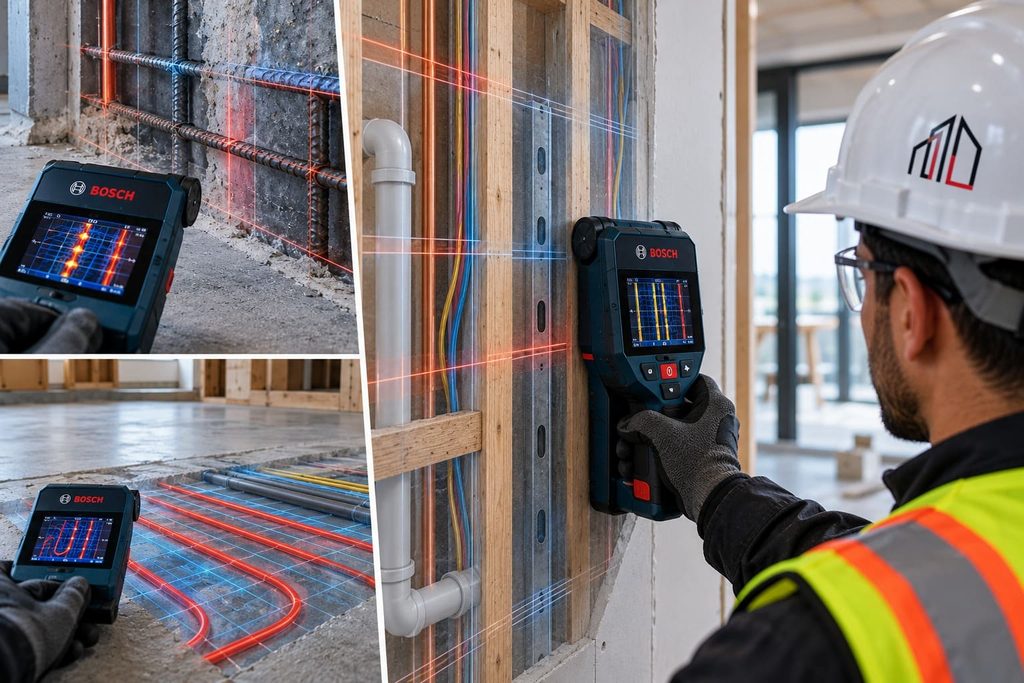
Identifying concealed building components is an important step when planning structural renovations, building modifications, and construction projects.
At TAM-CRETE ENGINEERING, we provide professional concealed element mapping and engineering assessment services in Calgary and surrounding Alberta communities using advanced non-destructive wall and floor scanning technology.
Our services help contractors, developers, and property owners investigate concealed structural elements and embedded objects before undertaking construction modifications.
👉 Request an Engineering Assessment | 📞 Call +1 403-910-9488
When Do You Need a Concealed Element Mapping Engineering Assessment in Calgary?
Our engineering and mapping services may be beneficial for residential and commercial projects involving:
- Structural Renovations: Investigating concealed components before modifying existing walls, floors, ceilings, or structural elements.
- Unknown Structural Framing: Locating detectable steel and wood framing members within accessible wall and floor assemblies.
- Concrete Reinforcement Investigation: Identifying approximate reinforcement (rebar) locations and depths within reinforced concrete components.
- Concealed Pipes and Cables: Screening for detectable embedded mechanical, plumbing, or electrical services that may interfere with proposed construction.
- Missing Construction Drawings: Supporting preliminary documentation of concealed building elements when original blueprints are unavailable.
- Building Modifications: Investigating selected structural areas before drilling, cutting, anchoring, or creating openings.
Our Engineering Approach to Concealed Element Mapping
Our structured engineering assessment process in Calgary may include:
- Site Evaluation: Visual examination of accessible building components and identification of specific areas requiring investigation.
- Non-Destructive Scanning: Using Bosch D-tect 200 C radar technology to identify detectable objects within supported wall, masonry, and floor assemblies.
- Element Mapping: Documentation of approximate object locations, depths, and identifiable structural patterns within selected scan areas.
- Drawing Review: Technical comparison of field scanning observations with available structural and architectural construction drawings.
- Structural Engineering Assessment: Evaluation of relevant findings and their potential implications for proposed structural modifications or load paths.
- Engineering Recommendations: Practical recommendations for additional verification, revised modification locations, or further structural investigation where necessary.
Common Concealed Element Mapping Projects We Handle
- Reinforced concrete slab and structural wall investigations.
- Concealed steel stud, structural steel, and wood framing investigations.
- Preliminary structural mapping before major residential or commercial renovations.
- Embedded object screening before construction modifications.
- Investigation of undocumented or legacy building components.
- Localized radar scanning of masonry and drywall assemblies.
- Engineering investigations where original structural drawings are incomplete or missing.
*(Planning to core, drill, or cut through reinforced concrete? Explore our specialized Concrete Drilling & Penetration Engineering Assessment in Calgary or our Load-Bearing Wall Removal Engineering Services).*
Why Choose TAM-CRETE ENGINEERING?
At TAM-CRETE ENGINEERING, we combine non-destructive radar scanning technology with professional structural engineering expertise.
Our approach goes beyond simply identifying concealed objects. We evaluate relevant field findings within the context of the building’s overall structural system and the proposed construction work.
We focus on providing practical, accurate engineering information and recommendations to support informed, safe construction decisions.
What Is Included in Your Concealed Element Mapping Engineering Report?
Depending on the agreed scope and available site evidence, our engineering report may include:
- ✔️ Detailed site observations and annotated photographic documentation.
- ✔️ Localized non-destructive radar scanning results.
- ✔️ Approximate locations and depths of detectable concealed elements.
- ✔️ Marked-up reference drawings or localized mapping diagrams.
- ✔️ Technical comparison with available structural design information.
- ✔️ Engineering evaluation of relevant structural concerns.
- ✔️ Recommendations for further field verification or construction modifications.
Engineering reports requiring professional authentication are reviewed and authenticated (P.Eng stamped) by an appropriately qualified licensed professional engineer.
Request a Concealed Element Mapping Engineering Assessment in Calgary
Planning structural renovations, tenant improvements, or modifications involving concealed building components?
Contact TAM-CRETE ENGINEERING today to discuss your project and request a professional concealed element mapping and engineering assessment in Calgary.
Frequently Asked Questions (FAQs)
What materials can the scanning equipment investigate?
The equipment supports several common construction assemblies, including reinforced concrete, masonry, drywall, and certain floor systems. Detection performance depends on the specific assembly thickness, material density, and surrounding site conditions.
Can the scanner detect pipes, electrical cables, and reinforcement?
The equipment can identify certain embedded metallic and non-metallic objects (such as rebar, metal studs, wood framing, plastic water pipes, and cables) within its technical detection capabilities. Additional verification may be necessary, particularly for concealed utility services.
Can you map concealed framing behind drywall?
Yes, localized scanning can help identify detectable wood studs, joists, or metal framing members behind drywall. Results depend on wall construction layers, material properties, and scanning conditions.
Can scanning replace construction drawings?
No. Non-destructive scanning provides localized information about detectable objects in selected areas and does not establish a complete as-built record of concealed construction.
Does scanning confirm that an area is safe for drilling?
No. Scanning cannot guarantee that all concealed objects or live services have been detected. Appropriate structural engineering evaluation, trade verification, and construction safety procedures remain necessary before cutting or drilling.
Can TAM-CRETE ENGINEERING provide a stamped engineering report?
Where sufficient field information and engineering analysis are available, an appropriately qualified professional engineer (P.Eng) may prepare and authenticate an engineering assessment report within the agreed professional scope.


