You’ve decided your home needs more space. The question isn’t whether to expand — it’s how. Should you add a second story on top of what you have, or extend outward into your yard? This decision shapes everything: your budget, your permit timeline, your structural requirements, and the disruption you’ll live through during construction.
At Tam-Crete Engineering, we’ve assessed hundreds of Calgary homes for exactly this decision. This guide breaks down the structural realities of both options so you can walk into your project with a clear picture — not just a contractor’s sales pitch.
What Is a Vertical Home Addition?
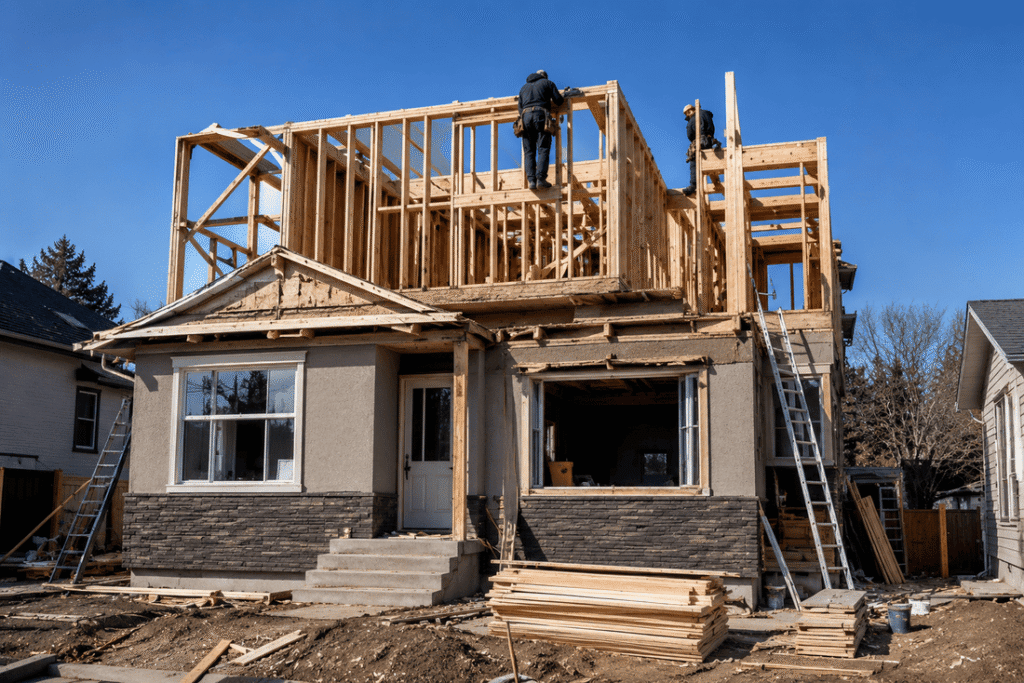
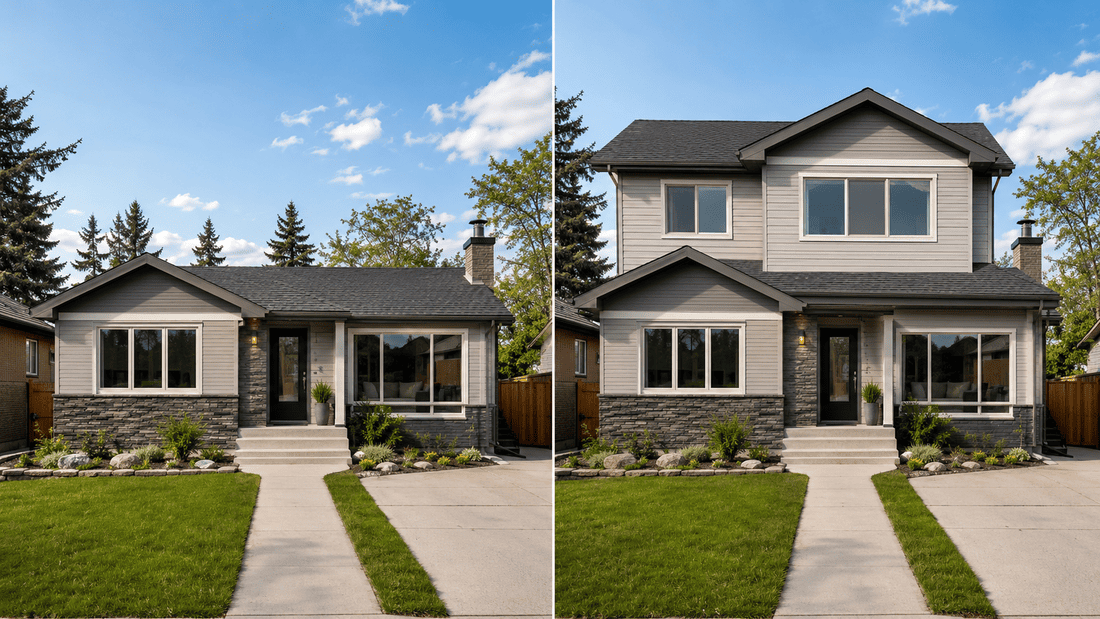
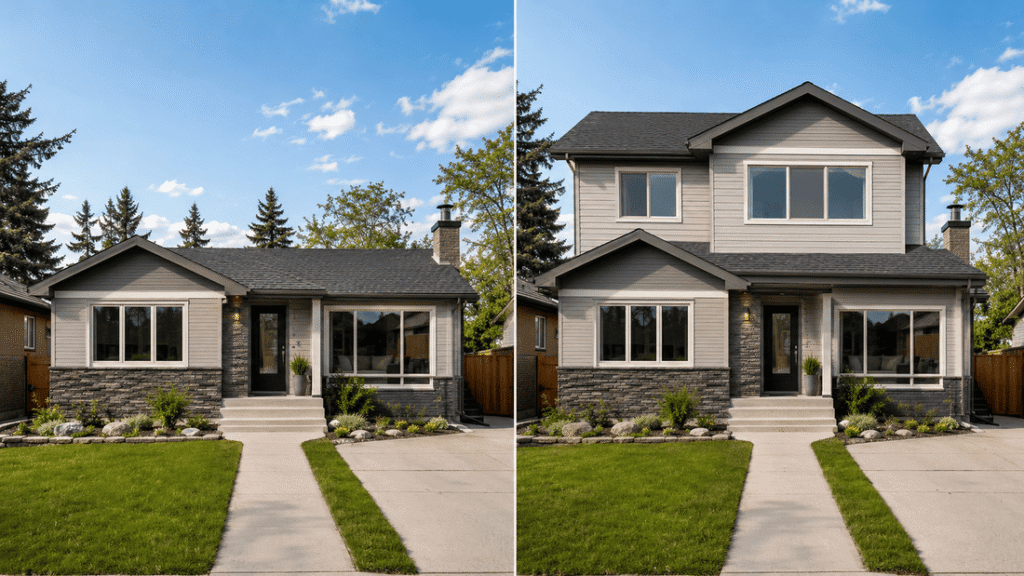
A vertical addition — also called a second story addition — means building upward. You’re adding one or more new floors on top of your existing structure. The footprint of your home stays the same, but your square footage can double.
In Calgary, this approach has become increasingly popular on smaller infill lots in established neighbourhoods like Killarney, Ramsay, Hillhurst, and Albert Park, where lot size limits what you can build outward.
What vertical expansion looks like in practice:
- Adding a full second storey to a bungalow
- Adding a partial upper level over a garage or main floor wing
- Popping the top for additional bedrooms and bathrooms
- Building a third storey on an existing two-storey home
Book a Site Assessment
The structural reality of building up
This is where most homeowners get a surprise. Before a single framing nail goes into the new upper level, a structural engineer must assess whether your existing foundation, main floor walls, and roof system can carry the additional load.
Calgary’s residential stock includes many bungalows built between the 1950s and 1980s with foundations and framing designed for a single storey. Adding a second floor means significantly increasing the load on those walls and footings — and in many cases, reinforcement is required before construction can begin.
Tam-Crete Engineering’s process for a vertical addition includes:
- Foundation capacity assessment — Can the existing footings handle the added dead and live loads?
- Load-bearing wall analysis — Which walls are structural, and do they need upgrading?
- Beam and connection design — How does the new upper level tie into the existing structure?
- Roof system evaluation — The existing roof is typically removed entirely; the new floor system must be engineered to span correctly
Our load-bearing wall removal and beam design service is often part of a vertical addition when homeowners want an open-concept main floor as part of the same project.
What Is a Horizontal Home Addition?
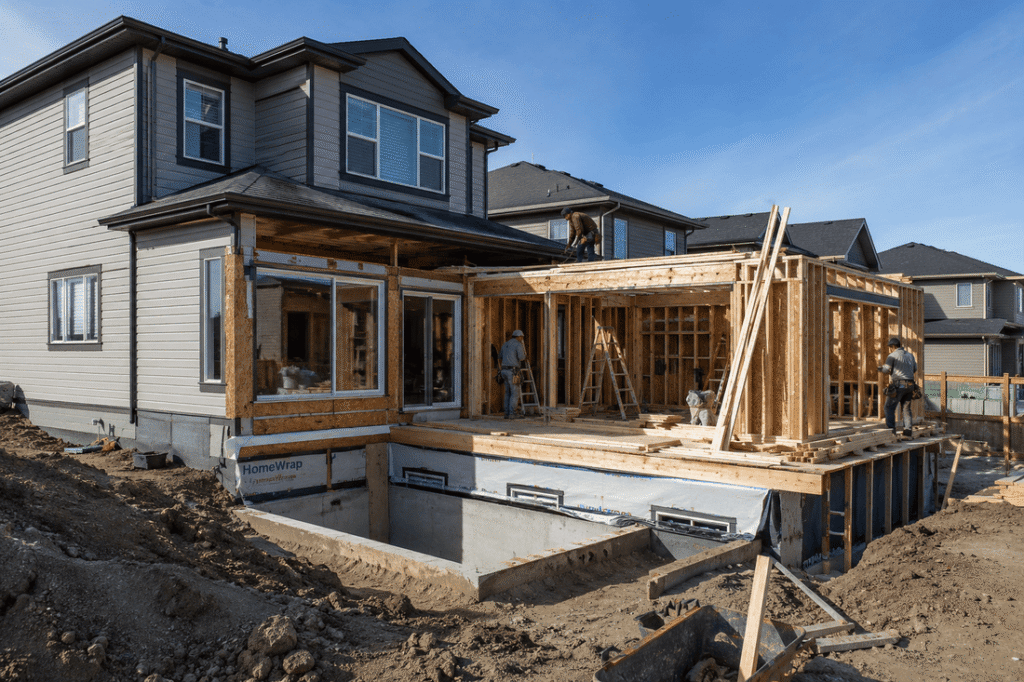
A horizontal addition — also called building out or a rear/side extension — means expanding the footprint of your home. You’re pushing walls outward, adding square footage at the existing floor level.
This is the more common choice for homes in Calgary’s suburban communities like Tuscany, Evergreen, Cranston, and Legacy, where lots are larger and setback rules allow for rear extensions.
What horizontal expansion looks like in practice:
- Rear kitchen extension
- Main floor family room addition
- Side addition for a new bedroom or office
- Bump-out to expand an existing room by a few feet
- Garage conversion into living space
The structural reality of building out
A horizontal addition requires its own new foundation — whether that’s conventional poured concrete footings, a slab, or screw piles, which are increasingly common in Calgary for additions due to their speed and minimal excavation.
Screw piles are particularly suited to Calgary’s frost conditions. Because they’re driven below the frost line without excavation, they avoid the heave issues that shallow footings can experience through Alberta’s freeze-thaw cycles.
The structural scope for a horizontal addition includes:
- New foundation design — Poured footings, slab, or screw pile selection based on soil conditions and load
- Connection to existing structure — How the new addition ties into the existing foundation and framing without creating differential settlement
- Roof integration — The new roof must connect to the existing roofline without creating water management problems
- Load path continuity — Ensuring loads from the new addition travel correctly down to the new foundation
Our house extension and addition engineering service covers the full structural scope for horizontal additions, from foundation design to permit-ready stamped drawings.
Calgary-Specific Structural Factors That Affect Both Options
Clay soil and frost depth
Calgary sits on expansive clay soil that swells when wet and shrinks when dry. This soil movement — combined with Alberta’s frost depth of approximately 1.2 to 1.5 metres — creates unique foundation challenges that don’t exist in many other Canadian cities.
For horizontal additions, this means your new foundation must be designed specifically for Calgary’s soil conditions, not just sized for the load. A generic footing design that works in Vancouver or Toronto may perform poorly here.
For vertical additions, existing foundations may have been designed without anticipating additional load. Tam-Crete’s structural assessments verify bearing capacity against actual soil conditions — not just code minimums.
Alberta Building Code requirements
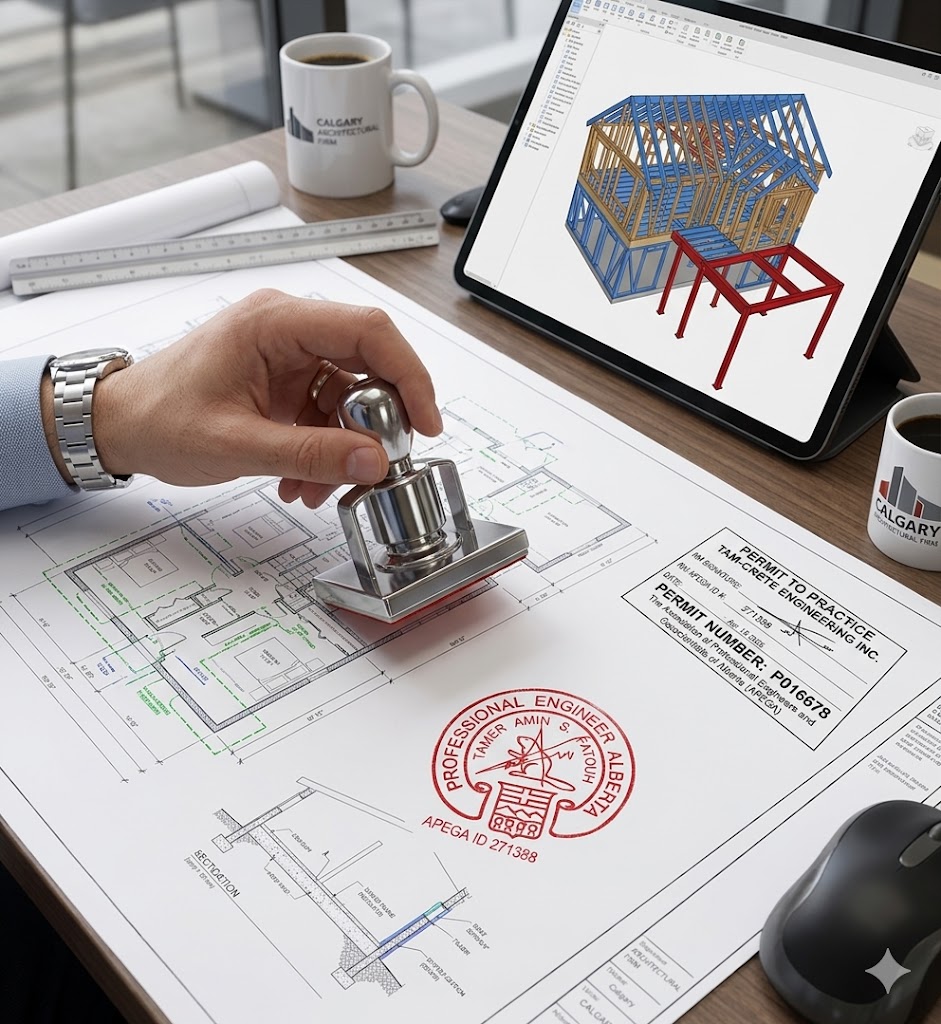
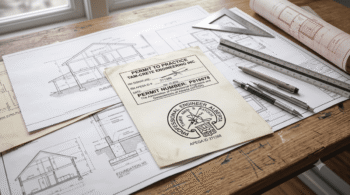
Any addition that affects the structural load of a building in Alberta requires P.Eng stamped drawings for permit approval. The engineer must be registered with APEGA — the Association of Professional Engineers and Geoscientists of Alberta. Reborn Renovations
This applies to both vertical and horizontal additions without exception. The City of Calgary’s permit requirements for additions are clear: structural modifications require professional engineering involvement, and plans must be stamped before a permit is issued.
Working with Tam-Crete Engineering means your engineering permit drawings are prepared by APEGA-licensed P.Eng professionals who understand Calgary’s specific municipal requirements — reducing the risk of permit rejections and construction delays.
Vertical vs. Horizontal: A Direct Comparison
| Vertical Addition | Horizontal Addition | |
| Lot size needed | Small lots viable | Requires available yard space |
| Structural complexity | High — existing structure assessed | Moderate — new foundation required |
| Foundation work | May need reinforcement | Always required |
| Disruption during construction | High — roof removed, home affected | Moderate — can often isolate construction |
| Permit complexity | Higher | Standard |
| Best for | Infill lots, maximizing sq footage | Suburban lots, ground-level expansion |
Which Option Does Tam-Crete Recommend?
There’s no universal answer — and anyone who tells you otherwise hasn’t looked at your specific home. The right choice depends on:
- Your existing foundation condition — A weak or settled foundation may rule out a vertical addition without significant remediation
- Your lot and setback constraints — Calgary zoning rules limit how close additions can come to property lines
- Your project goals — Bedrooms and bathrooms are often better served vertically; kitchen and living expansions tend to work better horizontally
- Your budget — Vertical additions are often more cost-effective per square foot when foundation remediation isn’t required
The only way to know for certain is a proper structural assessment. Tam-Crete Engineering provides site assessments and structural feasibility reviews that give you the engineering answer — not a guess — before you commit to a direction.
Our structural inspection and letter service is often the first step homeowners take before deciding on an addition type.
The Permit Process in Calgary for Home Additions
Both addition types require a building permit from the City of Calgary. The permit application must include:
- Architectural drawings showing the proposed scope
- Structural drawings stamped by a P.Eng registered in Alberta
- Site plan showing setbacks and lot coverage
- Any geotechnical reports if required
Tam-Crete Engineering prepares the structural portion of this package. We coordinate with your architect or designer to ensure the structural drawings align with the architectural intent — and that the permit package is complete before submission, avoiding back-and-forth with the City.
For a standard residential addition, the City of Calgary typically processes permit applications within 4 to 8 weeks, depending on project complexity and current application volume.
Ready to Decide? Let Tam-Crete Engineering Assess Your Home First.
Before you commit to a direction, get the structural picture. Tam-Crete Engineering provides site assessments and feasibility reviews for Calgary homeowners planning additions — vertical, horizontal, or both.
📧 Email us: info@tamcrete-eng.com
Is a vertical or horizontal addition more expensive in Calgary?
It depends on the scope. Vertical additions start around $100,000 and can increase significantly if foundation reinforcement is required. Horizontal main floor additions typically range from $150,000 to $250,000 in Alberta due to new foundation costs. A structural assessment from Tam-Crete will clarify which option is more cost-effective for your specific home.
Do I need a structural engineer for a bump-out addition?
Yes, if the bump-out affects any load-bearing elements or requires new foundation work. In Calgary, any structural modification requires P.Eng stamped drawings for permit approval — even smaller extensions.
Can I do both a vertical and horizontal addition at the same time?
Yes. Multi-level additions that expand both the footprint and add a storey are structurally viable and are sometimes the most cost-effective approach when both are needed. Tam-Crete Engineering designs the full structural system for combined additions.
How long does structural engineering take for a home addition in Calgary?
Tam-Crete Engineering typically delivers stamped structural drawings within 5 to 10 business days from the site assessment, for standard residential additions.
What is the difference between a home inspection report and a structural engineering report?
A home inspection is a general visual assessment of a home’s condition performed by a certified home inspector. A structural engineering report is a technical analysis performed by a licensed P.Eng that evaluates load capacity, foundation condition, and structural integrity. For permit purposes and addition planning, you need the structural engineering report — not a home inspection.