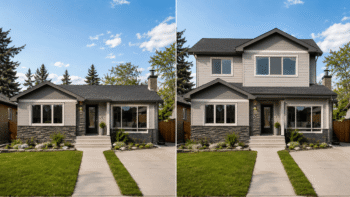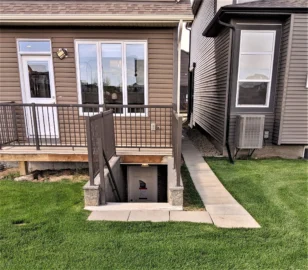
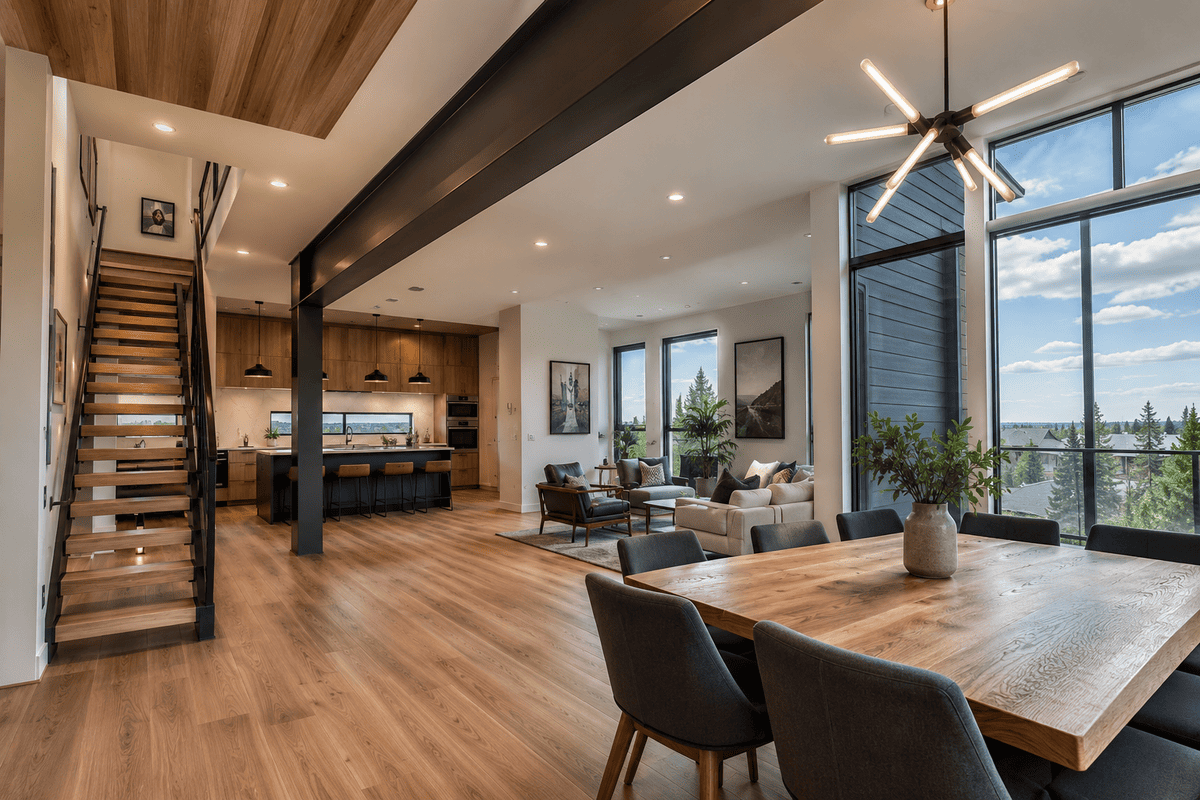
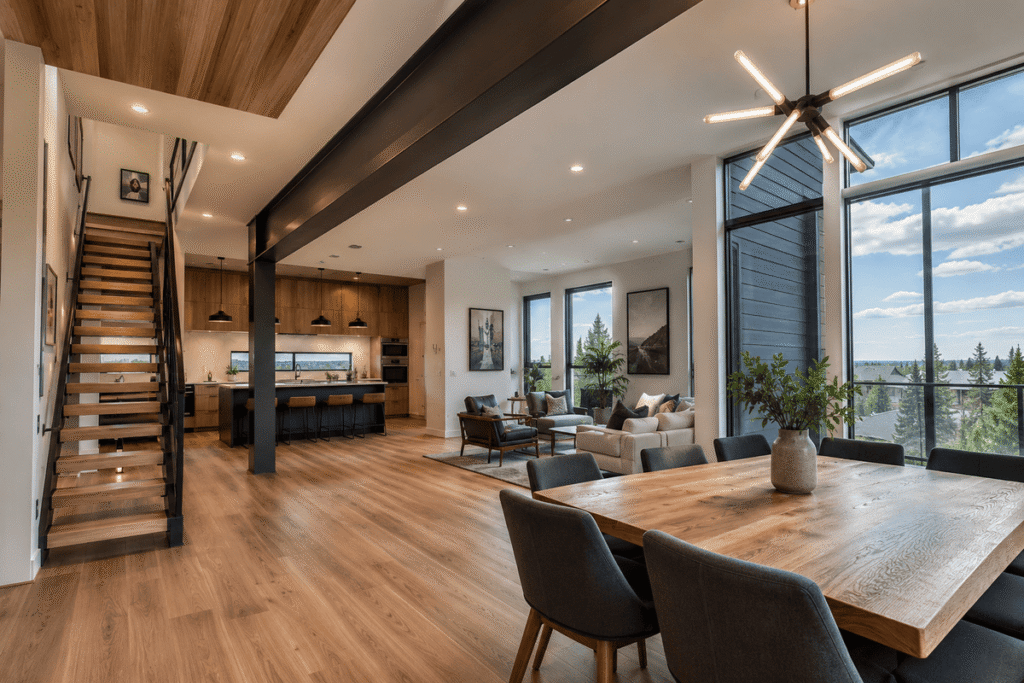
Most Calgary homeowners hire a contractor and get moving — and for cosmetic work, that’s fine. But the moment your renovation touches walls, floors, foundations, or the overall structure of the building, a licensed structural engineer isn’t just helpful. In many cases, it’s a legal requirement under the City of Calgary’s development and building permit process.
This guide breaks down exactly which renovation projects trigger structural engineering requirements in Calgary, what the permit process looks like, and how Tam-Crete Engineering helps homeowners, contractors, and property managers move forward with confidence.
Why a Structural Engineer is Essential for Your Calgary Renovation
Before you start tearing down walls or changing the layout of your home, condo, or apartment in Calgary, it is critical to understand the structural implications. Many homeowners focus on aesthetics, but the structural integrity of your property is the foundation of every successful renovation. In Calgary, where our climate and specific building codes require precise engineering, consulting with a professional structural engineer is not just a safety measure—it is a smart investment.
At Tam-Crete Engineering, we often see the consequences of ‘DIY’ structural changes that compromise the stability of a building. Whether you are planning a load-bearing wall removal, an open-concept living space, or a major basement suite conversion, professional structural assessment ensures your project is safe, compliant with the City of Calgary’s strict building bylaws, and built to last. Don’t risk your property’s value or your family’s safety; ensure your renovation revolution starts with a solid engineering plan.
Understanding Calgary’s Housing Landscape
Calgary’s residential market is a vibrant tapestry woven with diverse property types and architectural designs. As the city continues to evolve, the range of renovation projects also expands—from modest bungalows in quiet suburbs to high-rise condos in the bustling downtown core. Key segments include:
- Single-Family Homes: Typically located in suburban neighborhoods, these residences range from cozy bungalows to expansive estates. Renovations here allow for extensive modifications, giving homeowners the freedom to personalize every corner of their property.
- Condominiums: In the heart of the city, condos offer urban living with shared amenities. Renovating a condo often involves navigating unique challenges such as condo board regulations and building management policies.
- Townhouses: Striking a balance between detached homes and condos, townhouses provide multi-level living with shared walls and communal areas, demanding thoughtful design strategies.
- Luxury Residences: High-end properties in prestigious Calgary neighborhoods are built with premium materials and finishes. Renovations in these homes require a meticulous approach, often involving collaborations with specialized architects and designers.
This diverse housing market means that whether you’re exploring Calgary condo renovations, single-family home updates, or luxurious upgrades, understanding the local landscape is critical.
Navigating the Regulatory Framework
One of the first steps in any Calgary renovation project is to understand and comply with local regulations. The City of Calgary requires various permits for renovation activities—especially those that affect structural integrity or involve electrical, plumbing, or load-bearing modifications. For example, projects like home additions, basement conversions, or wall removals will require appropriate permits. On the other hand, cosmetic updates such as interior painting or fixture upgrades typically do not require permits.
For condo renovations, the process is even more stringent. Homeowners must adhere to condo board rules and building management guidelines to ensure that any alterations do not disrupt communal living. This aspect of renovation in Calgary calls for extra diligence: reviewing your condo bylaws and obtaining necessary approvals is a must. Keywords such as renovation permits Calgary and Calgary condo renovation regulations are frequently searched by homeowners aiming to stay compliant while modernizing their space.
Types of Renovations in Calgary
Renovation projects in Calgary can be broadly categorized based on their scope and nature. Understanding these distinctions can help you plan better and set realistic budgets and timelines.
1. Cosmetic Renovations
Cosmetic upgrades focus on enhancing the aesthetic appeal without altering the structure. Common projects include:
- Interior Painting: Fresh, modern colors can transform a room’s mood and create a contemporary look.
- Flooring Replacement: Updating carpets, tiles, or hardwood floors can instantly elevate the visual appeal of a space.
- Fixture Upgrades: New lighting, faucets, and hardware provide an easy yet effective way to modernize your home.
For many homeowners searching for Calgary home renovation tips, cosmetic projects offer an affordable way to achieve a significant visual impact.
2. Structural Renovations
Structural changes are more extensive and may involve altering the home’s layout or even its foundational elements. Typical projects include:
- Wall Removal or Addition: Creating open-concept living spaces or adding new rooms.
- Home Additions: Expanding living areas by constructing additional rooms or floors.
- Foundation Repairs: Addressing structural issues to maintain safety and stability.
These projects require careful planning and collaboration with licensed professionals to ensure compliance with Calgary building codes and standards.
3. System Upgrades
Upgrading essential home systems is crucial for both safety and efficiency:
- Electrical Rewiring: Modernizing outdated wiring to support contemporary appliances.
- Plumbing Overhaul: Replacing old pipes to prevent leaks and ensure water quality.
- HVAC Improvements: Installing energy-efficient heating and cooling systems for enhanced comfort.
When it comes to energy-efficient home upgrades in Calgary, these system improvements can lead to long-term savings on utility bills while boosting property value.
4. Luxury Renovations
For those looking to make a high-end impact, luxury renovations offer premium upgrades:
- Gourmet Kitchens: Custom cabinetry, premium appliances, and designer finishes define a state-of-the-art cooking space.
- Spa-Like Bathrooms: Modern features like steam showers and soaking tubs can create a personal oasis.
- Smart Home Integration: Advanced automation systems for lighting, security, and climate control deliver modern convenience and efficiency.
Using keywords like Calgary luxury renovations and high-end home upgrades Calgary can help attract readers interested in transforming their upscale properties.
Considerations for Different Property Types
Each type of property in Calgary presents unique opportunities and challenges. Here are some important considerations:
- Single-Family Homes: These properties offer significant flexibility. Homeowners can experiment with both cosmetic and structural changes, tailoring renovations to their exact preferences—provided all work complies with local zoning and building regulations.
- Condominiums: With shared walls and communal spaces, condo renovations require a delicate balance. Securing approval from the condo board and adhering to strict building regulations is paramount to avoid conflicts with neighbors.
- Luxury Residences: In upscale neighborhoods, every detail counts. Renovations should not only update the property but also enhance its market value and prestige. Collaborating with designers and architects who specialize in sustainable renovations Calgary can ensure that every upgrade meets high-end standards.
Budgeting, Planning, and Contractor Selection
A successful renovation in Calgary is built on meticulous planning and budgeting. Begin by setting clear objectives—what do you want to achieve with your renovation? Are you focusing on aesthetic improvements, expanding living space, or upgrading essential systems? Once goals are clear, follow these steps:
- Obtain Multiple Quotes: Compare pricing and services from various contractors to find the best fit for your project.
- Allocate a Contingency Fund: Set aside an extra 10-20% of your budget to cover unforeseen expenses.
- Prioritize Projects: Focus on renovations that offer the highest return on investment or are essential for safety and functionality.
Selecting the right contractor is equally important. Verify credentials, review portfolios of previous projects, and check references to ensure reliability. Keywords such as Calgary renovation contractors and licensed home renovators Calgary are critical for finding reputable professionals.
Embracing Sustainable and Energy-Efficient Upgrades
With rising energy costs and growing environmental concerns, sustainable renovations in Calgary are more popular than ever. Incorporating eco-friendly practices not only reduces your environmental footprint but can also enhance your home’s comfort and long-term value.
Energy-Efficient Windows and Doors
Upgrading to modern, energy-efficient windows and doors can drastically reduce heat loss in Calgary’s cold winters and minimize heat gain during summer. Look for options with multiple panes, low-emissivity coatings, and improved framing materials. This simple upgrade is a favorite among homeowners searching for energy-efficient home upgrades Calgary.
Enhanced Insulation
Proper insulation is key to maintaining a comfortable indoor temperature. Insulating attics, walls, basements, and crawl spaces helps prevent heat loss, ensuring a cozy home environment while lowering energy consumption.
Efficient HVAC Systems and Renewable Energy
Investing in high-efficiency HVAC systems—such as heat pumps or energy-efficient furnaces—can further improve your home’s energy performance. Coupled with renewable energy integration, like solar panels, these upgrades create a powerful combination for sustainable living. Programs like the Clean Energy Improvement Program (CEIP) in Calgary provide financial assistance for such projects, making sustainable renovations Calgary a practical choice for modern homeowners.
Sustainable Building Materials
Eco-friendly materials such as reclaimed wood, recycled metal, or bamboo are not only sustainable but also add a unique character to your renovation. These materials often have a lower environmental impact and create a healthier indoor environment.
Case Study: Net-Zero Home Retrofit in Calgary
One remarkable example of Calgary renovation success is the net-zero home retrofit of a 1985 property. This project involved a comprehensive overhaul that included enhanced insulation, energy-efficient windows, and the installation of solar panels. The result was a home that produces as much energy as it consumes—a shining example of sustainable, energy-efficient living. Homeowners looking for inspiration in Calgary home renovation or sustainable home upgrades Calgary can draw valuable insights from this project, which demonstrates how thoughtful planning and investment can yield impressive long-term benefits.
Conclusion
Calgary’s dynamic housing market offers endless opportunities for renovation—whether you’re updating a cozy single-family home, modernizing a downtown condo, or embarking on a luxury renovation project. Success in Calgary home renovations hinges on understanding the local housing landscape, adhering to strict regulatory frameworks, and incorporating sustainable, energy-efficient practices. By carefully planning your project, budgeting wisely, and selecting reputable contractors, you can transform your property into a stylish, modern, and energy-efficient haven.
From cosmetic updates to structural overhauls and luxury upgrades, every renovation is an investment in your home’s future. Embrace the Calgary renovation revolution, and let your project stand as a testament to quality craftsmanship, innovative design, and sustainable living—all while navigating the exciting challenges of Calgary’s vibrant real estate market.
Whether you’re seeking Calgary home renovation tips, exploring condo renovation regulations in Calgary, or investing in luxury renovations Calgary style, this guide provides the insights and strategies needed to achieve a successful transformation. Your dream home awaits—one renovation at a time.
Ready to Transform Your Calgary Space Safely?
Your renovation project is more than just a makeover; it’s an investment in your property’s future and your family’s safety. Don’t leave your structural integrity to chance. Whether you’re planning a seamless open-concept living area, a basement suite conversion, or a major condo transformation, our team at Tam-Crete Engineering is here to provide the expert structural guidance you need. Let’s ensure your vision is built on a solid, code-compliant foundation. Book your professional structural assessment today and take the first step toward a renovation that is as safe as it is stylish.
Do I need a structural engineer for simple home renovations in Calgary?
Yes, even for seemingly simple projects like removing a wall or modifying structural elements, an engineer is required in Calgary to ensure the renovation complies with local building codes and prevents structural failure.
How do Calgary building bylaws affect my renovation project?
Calgary building bylaws dictate strict safety and structural standards for all renovations; failing to follow these guidelines can lead to fines, stop-work orders, or significant safety risks to your property.
What is the benefit of hiring a local structural engineering firm like Tam-Crete?
Hiring a local firm ensures you work with professionals who have deep knowledge of Calgary’s specific soil conditions, climate-related structural challenges, and municipal permit requirements.
Can sustainable renovation increase the value of my Calgary home?
Absolutely; sustainable renovations improve energy efficiency and long-term durability, both of which are highly attractive to Calgary buyers and can significantly increase your property’s resale value.
How do I know if a wall I want to remove is load-bearing?
Determining if a wall is load-bearing requires a professional assessment; an engineer will inspect your home’s structural framing to confirm if it supports the weight of the floor or roof above before any demolition begins.