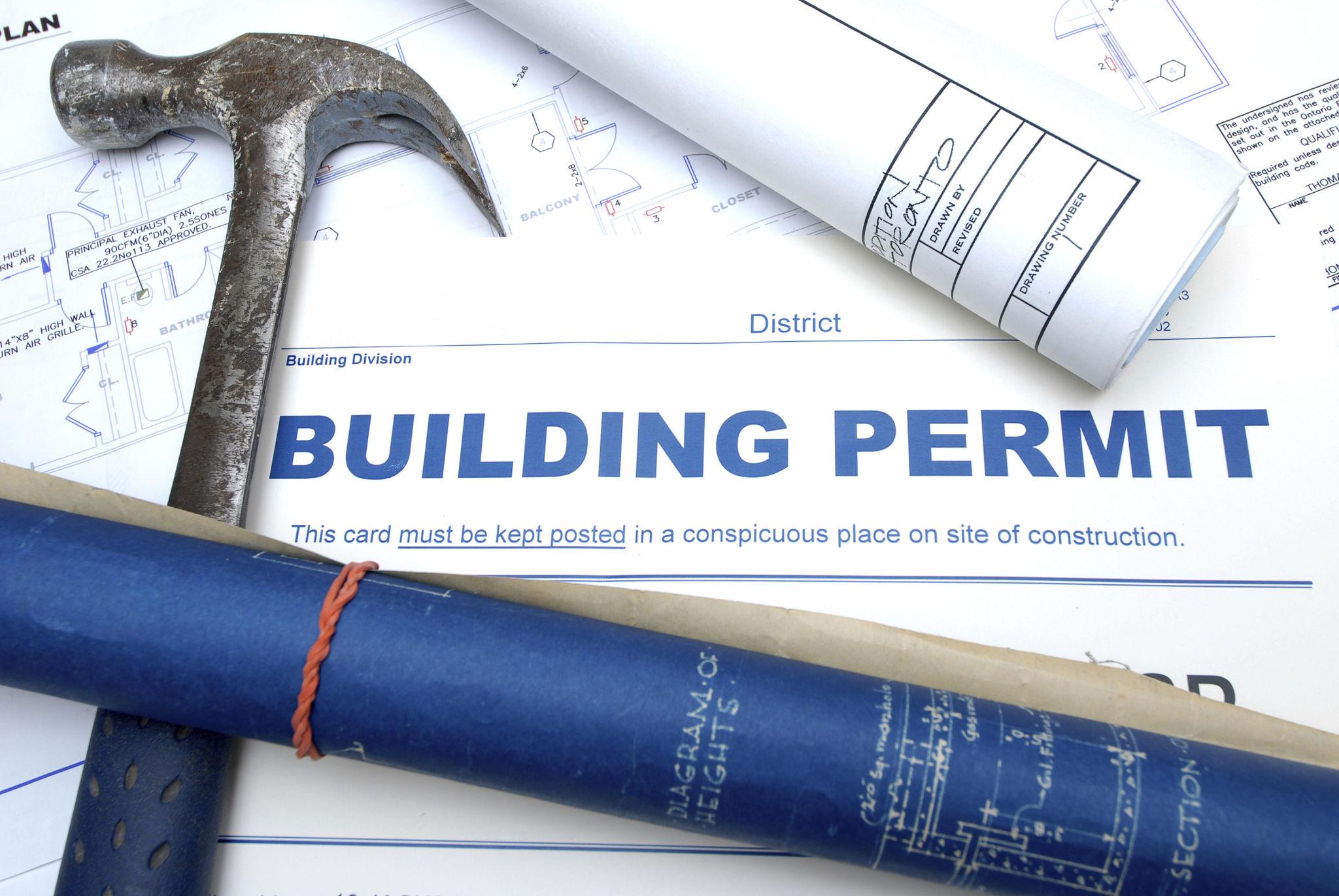
Calgary homeowners often ask whether they need a development permit, a building permit, or both. The short answer: development permits deal with planning and land use, while building permits deal with construction safety and code compliance. Understanding the difference early can save you time, money, and costly revisions down the road.
What Is a Development Permit in Calgary?
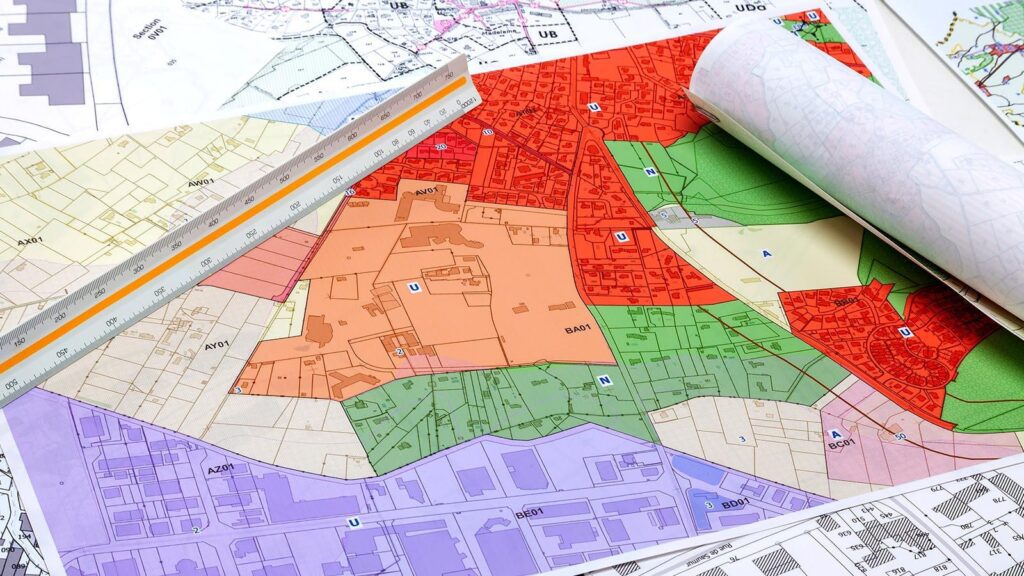
A development permit addresses planning matters such as land use district compliance, setbacks, height, parking, site layout, and other bylaw-related rules set by the City of Calgary.
In plain terms, it answers: can this project be done here, in this form?
Development permits are reviewed by Calgary’s Development Authority and focus on how your project fits within the surrounding neighbourhood and zoning district — not on how it’s built.
What Is a Building Permit in Calgary?
A building permit focuses on how the project will be built. It covers building code compliance, structural safety, fire and life safety, materials, and inspections during construction.
In plain terms, it answers: can this project be built safely and to code?
Building permits require detailed drawings — including structural plans — reviewed by Calgary’s Safety Codes Officers before any construction begins.
Quick Comparison: Development Permit vs Building Permit
| Permit Type | Main Purpose | Typical Focus |
|---|---|---|
| Development Permit | Planning approval | Land use, zoning, setbacks, height, parking, policy review |
| Building Permit | Safety and code approval | Structural design, fire safety, construction methods, inspections |
Simple rule: development permits regulate what and where you can build; building permits regulate how it is built.
Do You Need Both in Calgary?
Some projects only need a building permit. Others require both approvals. The answer depends on the type of work, the zoning district, and whether the design fully complies with the Land Use Bylaw.
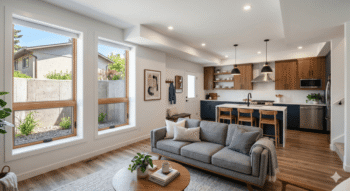
Interior basement projects may only require a building permit if planning rules are already satisfied. Suites, new construction, relaxations, or broader site-planning issues are more likely to require both.
When in doubt, a structural engineer or permit specialist can help you determine which approvals apply to your specific project before you invest in drawings.
Common Residential Examples
Basement development: often requires a building permit first, with a development permit only if land use issues are triggered — such as adding a separate entrance or converting to a legal suite.
Secondary suite: may require only a building permit in some cases, but both permits may be required if district rules are not fully met or if the suite requires relaxations.
New house construction: always requires a building permit, and new buildings generally also involve planning review and a development permit.
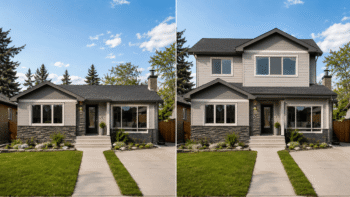
Additions, garages, and major site changes can trigger development permit review depending on siting, setbacks, height, lot coverage, and related factors.
Why Homeowners Confuse the Two
Many people use the word permit as if it means one approval. In reality, Calgary uses separate approvals for planning permission and construction permission.
A project can satisfy code but still fail planning rules — or be acceptable in principle from a planning standpoint but still need code revisions before construction starts. Both approvals must be in place before work begins.
Which Permit Comes First?
When both permits are required, development permit approval typically comes first, followed by the building permit. That sequence helps avoid preparing detailed construction drawings on a planning assumption that may later change — saving you the cost of revising structural drawings mid-process.
How Long Does Each Permit Take in Calgary?
Processing times vary by project complexity. Development permits can take several weeks to a few months depending on the scope and whether relaxations are required. Building permits for straightforward residential projects are often faster once drawings are submitted and approved. Starting the process early and submitting complete, code-compliant drawings is the best way to avoid delays.
Why Work With Tam-Crete Engineering?
Tam-Crete Engineering helps Calgary homeowners, builders, and investors understand permit strategy early — before you spend money on drawings that may need to change. Our services include:
- Basement permit drawings
- Legal suite planning and structural design
- Structural review for additions and renovations
- Permit-oriented design coordination
Ready to get started? [Contact Tam-Crete Engineering today] and let’s make sure your project is set up for approval from day one.
FAQ
What is the difference between a development permit and a building permit in Calgary? A development permit deals with planning and land use approval — whether the project fits the zoning rules. A building permit deals with construction safety and building code compliance — how the project will be built.
Do I always need both permits in Calgary? No. Some projects only need a building permit, while others require both. It depends on the project type, zoning district, and whether land use rules are fully satisfied.
Does a basement development need a development permit? Not always. Many basement developments primarily require a building permit, but a development permit may also be needed if Land Use Bylaw rules are affected — for example, when adding a separate entrance or creating a legal suite.
Do secondary suites need both permits? Sometimes. In some cases the suite may proceed with a building permit if all rules are met; in other cases both permits are needed, particularly if relaxations are required.
Which permit should come first? When both are required, development permit approval typically comes first, followed by the building permit process.
How long do permits take in Calgary? Processing times vary. Development permits can take weeks to months; building permits for straightforward residential work are often faster with complete drawings. Starting early and working with an experienced structural engineer helps avoid delays.